The Respiratory Standard: Advanced Oximetry Technology and Clinical Breathing Protocols
The Respiratory Standard: Advanced Oximetry Technology and Clinical Breathing Protocols
In 2026, the pulse oximeter has evolved from a simple emergency tool into a daily vital tracker for proactive families and clinicians alike. But a high oxygen number is only half the story—the real determinant of respiratory health is how effectively your lungs utilize oxygen.
This guide explores cutting-edge oximetry features and evidence-based breathing practices that can help optimize oxygen saturation safely and naturally.
Part 1: The Modern Oximeter – Beyond the Numbers
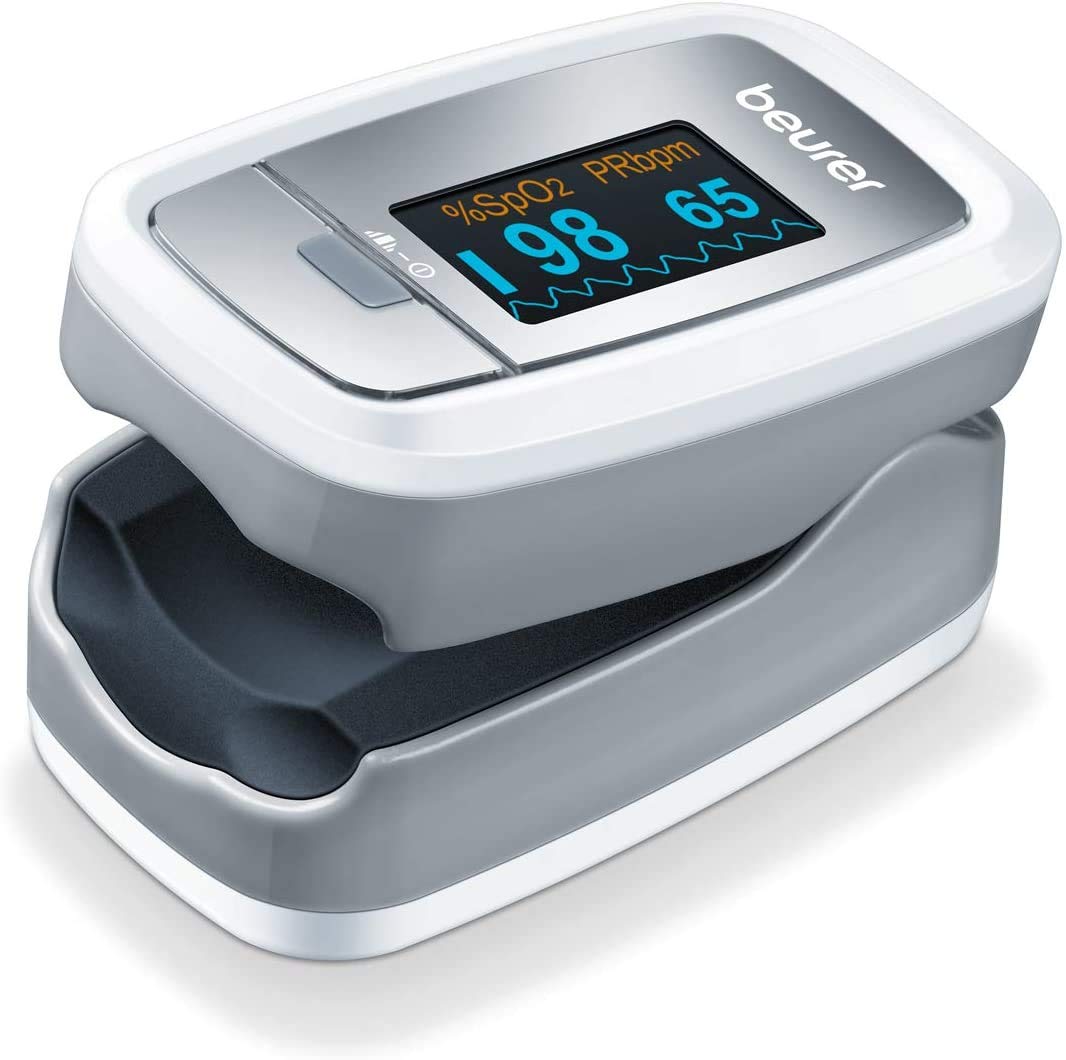
While basic models display a single percentage, professional-grade devices like Beurer PO 30 provide deeper insight into cardiovascular and respiratory reliability through advanced visualization.
Key Features of a 2026 Diagnostic Unit
-
Plethysmograph (Graphic Pulse Display)
A steady, rhythmic waveform confirms signal quality and reading accuracy. Erratic waves indicate poor contact, cold fingers, or motion—correct these before trusting the SpO₂ value. -
Four-Way Color Display
Screen orientation can be flipped instantly, allowing caregivers or clinicians to read values comfortably from any angle. -
High-Altitude Validation
Modern German-engineered sensors are calibrated for low-pressure environments, making them reliable for athletes and residents of hilly regions. -
Perfusion Index (PI)
PI reflects pulse strength at the sensor site. A low PI (<0.2%) can signal poor peripheral circulation—often before symptoms like cold fingers appear.
Part 2: Best Breathing Practices to Improve Saturation
If your oximeter shows a dip—or if you want to enhance lung efficiency—these three pulmonary workouts are clinically supported to improve oxygen exchange.
1. Pursed-Lip Breathing (The “Emergency” Technique)
How to do it:
Inhale slowly through your nose for 2 seconds. Purse your lips as if blowing out a candle and exhale for 4 seconds.
Why it works:
Creates gentle back-pressure that keeps airways open longer, preventing alveolar collapse and improving oxygen uptake.
2. Diaphragmatic (“Belly”) Breathing
Most people are chest breathers, using only the upper lungs.
How to do it:
Place one hand on your chest and the other on your belly. Inhale so only the belly rises; exhale slowly.
Why it works:
Engages the diaphragm—the most efficient breathing muscle—allowing expansion into lower lung lobes where gas exchange is greatest.
3. Slow Deep Breathing Protocol (0.1 Hz)
How to do it:
Breathe at 6 breaths per minute (5 seconds in, 5 seconds out).
Why it works:
Optimizes the body’s baroreflex, improving heart–lung coordination. Many users observe a 1–2% SpO₂ increase within 10 minutes.
The Synergy: Monitoring Meets Training
The most effective approach is test → train → re-test:
- Take a baseline reading with your oximeter
- Perform 5 minutes of diaphragmatic breathing
- Measure again and observe the change
Seeing real-time improvement reinforces consistency and lung-health awareness. Whether you’re recovering from respiratory illness or training at altitude, this synergy of modern technology and disciplined breathing is a powerful defense.
Where to Buy the Oximeter
Check Beurer PO 30 Pulse Oximeter price on Amazon
Final Takeaway
Advanced oximetry doesn’t just measure oxygen—it guides better breathing habits. Used correctly, it becomes a feedback tool that empowers safer, smarter respiratory care.
Affiliate Disclosure:
As an Amazon Associate, we earn from qualifying purchases. This helps us continue providing high-quality medical technology guides. Product images used in this article are sourced from Amazon product listings for illustrative purposes.
Medical Disclaimer:
Breathing exercises supplement—but do not replace—medical treatment. If your SpO₂ remains below 92%, seek medical attention immediately. Always consult a healthcare professional before starting new devices or therapies.