BPL FD-04 Fetal Doppler — Pulse Wave Heartbeat Detection for Home & Clinic
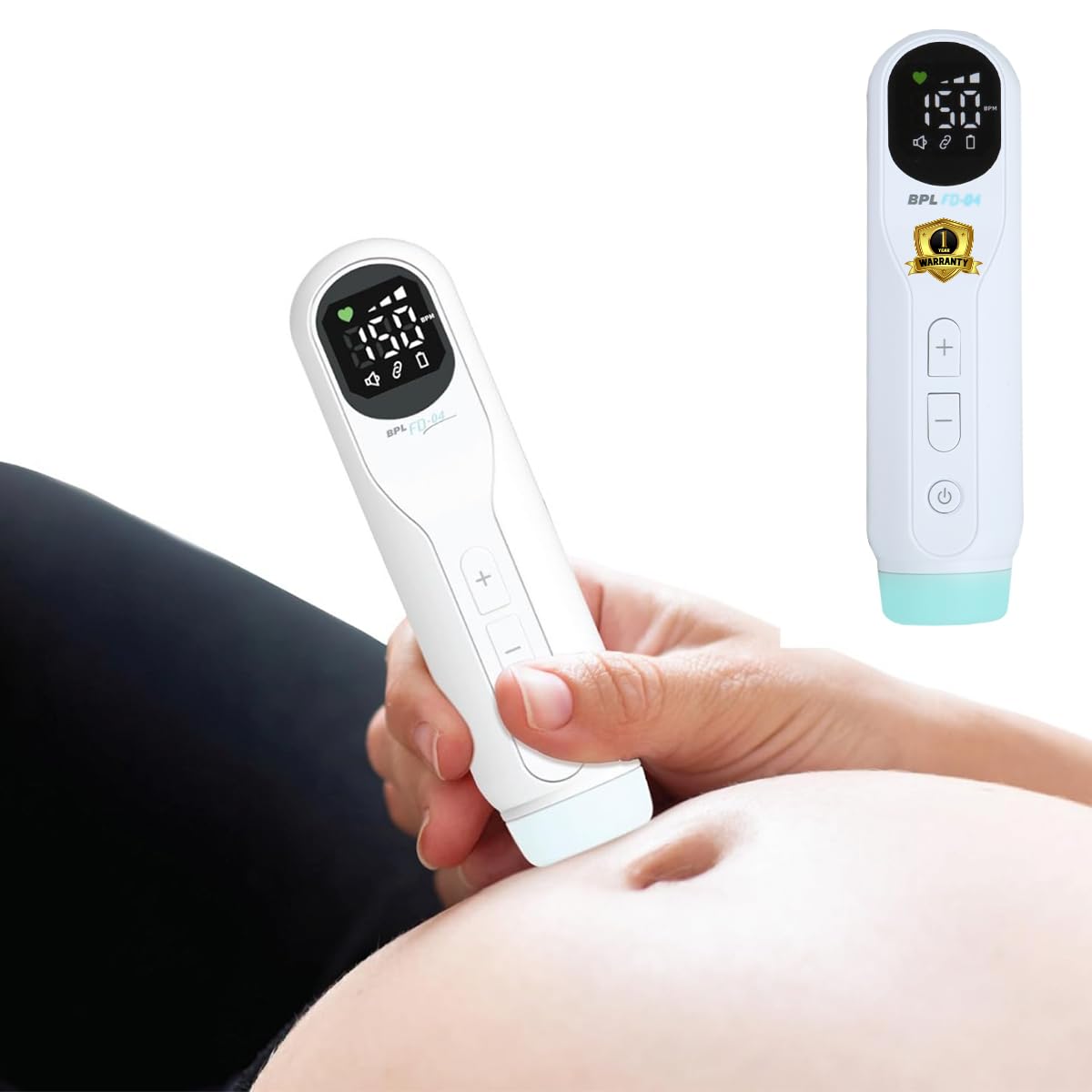
BPL FD-04 Fetal Doppler — Pulse Wave Heartbeat Detection for Home & Clinic Use
Short summary:
The BPL FD-04 Fetal Doppler is a handheld ultrasound device designed to detect and display fetal heartbeats using Pulse Wave Doppler technology. Its simplicity, portability, and clear audio feedback make it suitable for antenatal monitoring in both clinic and supervised home environments.
Below is a clinical overview of its features, use cases, and practical considerations.
Why Fetal Dopplers Are Used
In antenatal care, confirming fetal heart activity is a basic and reassuring step. Traditionally done with a stethoscope after 20–22 weeks, modern Doppler devices provide:
- Early detection of fetal heartbeats (often from ~12–14 weeks onward)
- Continuous audio feedback
- Better patient reassurance during routine checks
A dedicated fetal Doppler like the FD-04 is particularly useful when:
- Clinicians want immediate reassurance of fetal viability
- Midwives or obstetric staff need a quick non-invasive check
- Screenings are done in decentralized clinics or camps
It should be emphasised that these devices are adjuncts to clinical assessment, not replacements for ultrasound biometry, doppler velocimetry, or structured antenatal scans.
Key Features & Practical Value
Pulse Wave Doppler Technology
The FD-04 uses Pulse Wave Doppler to detect motion (heartbeats) within the fetal heart. This enables:
- Clear audio perception of heartbeats
- Audible pulse waveform intensity changes as gestation progresses
Clinical utility:
This technology is sensitive enough for routine heartbeat detection during routine antenatal checks, not for quantitative hemodynamic analysis.
Simple Handheld Design
The FD-04 is a compact, battery-operated device with:
- An ergonomic probe
- Simple controls
- Lightweight form factor
Benefits:
- Easy to carry between examination rooms
- Quick setup without complex calibration
- Suitable in OPD and low-resource settings
Audio and Visual Feedback
The device provides:
- Audio feedback of fetal heart sounds
- Visual pulse waveform display on the screen
This combination helps the examiner:
- Confirm the presence of a regular heartbeat
- Approximate pulse rate visually if needed
- Document waveform patterns during the session
The visual waveform can also be useful when explaining findings to expectant parents.
Battery Operation & Portability
The FD-04 runs on batteries, making it:
- Useful in settings without reliable mains power
- Practical for outreach clinics, camps, and community visits
How It Works — Basic Use
1. Prepare the Patient:
Position the expectant mother comfortably, usually semi-reclined.
2. Apply Ultrasound Gel:
Apply a small amount of gel over the lower abdomen (around the expected fetal location). This improves probe contact.
3. Place the Probe:
Move the probe gently over the lower abdomen to locate and detect the fetal heartbeat. The characteristic rapid rhythm distinguishes it from maternal pulse.
4. Listen and Observe:
Once detected, listen to the heartbeat and observe the waveform. Ensure consistent detection about 10–20 seconds before concluding the measurement.
Practical Pros and Limitations
Pros
- Easy to use with minimal training
- Portable and battery-operated
- Pulse Wave Doppler for reliable audio detection
- Visual waveform adds interpretive context
- Useful for routine antenatal checks
Limitations
- Not a diagnostic ultrasound: does not replace imaging for anomaly screening
- User-dependent detection: requires correct probe positioning
- Best after mid-trimester: early gestational detection can be challenging
- Interference (maternal adiposity, fetal position) may affect detection
Typical Clinical Use Cases
- Routine antenatal checkups: quick confirmation of fetal heart activity
- Community/outreach settings: non-invasive reassurance for expectant mothers
- Midwife or nurse-led assessments: initial heartbeat checks before formal scans
- Second-trimester monitoring: when routine heartbeat confirmation is routine
Buying Checklist (Before Recommending or Purchasing)
Before relying on any fetal Doppler, confirm:
- Operating frequency: appropriate for fetal heart detection
- Pulse Wave Doppler support
- Display readability and audio clarity
- Battery life and spare batteries availability
- User training for correct probe positioning
- Local service/support options
This ensures that the device performs reliably in clinical practice.
Where to Buy
View BPL FD-04 Fetal Doppler on Amazon
Final Clinical Perspective
Handheld fetal Doppler devices like the BPL FD-04 offer a practical, non-invasive way to confirm fetal heart activity during routine antenatal contacts.
Their real value is in rapid checks, patient reassurance, and workflow efficiency — especially in high-volume OPDs or decentralized care settings.
However, heartbeat detection should always be interpreted within the full context of gestational age, clinical history, and formal imaging studies when indicated.
Affiliate Disclosure:
As an Amazon Associate, we earn from qualifying purchases. This supports our work in providing medical-technology comparisons. Product images used in this article are sourced from Amazon product listings for illustrative purposes.
Medical Disclaimer:
This content is for educational purposes only and does not replace professional clinical judgement. Fetal Doppler findings should be interpreted alongside formal obstetric assessment and imaging as clinically indicated.