How to Properly Use a Pulse Oximeter: A 2026 Guide to Lung Health
How to Properly Use a Pulse Oximeter: A 2026 Guide to Lung Health
Since the global health events of the early 2020s, the pulse oximeter has become as common in Indian households as the thermometer. However, simply clipping a device onto your finger isn’t enough—user error remains the leading cause of false health alarms.
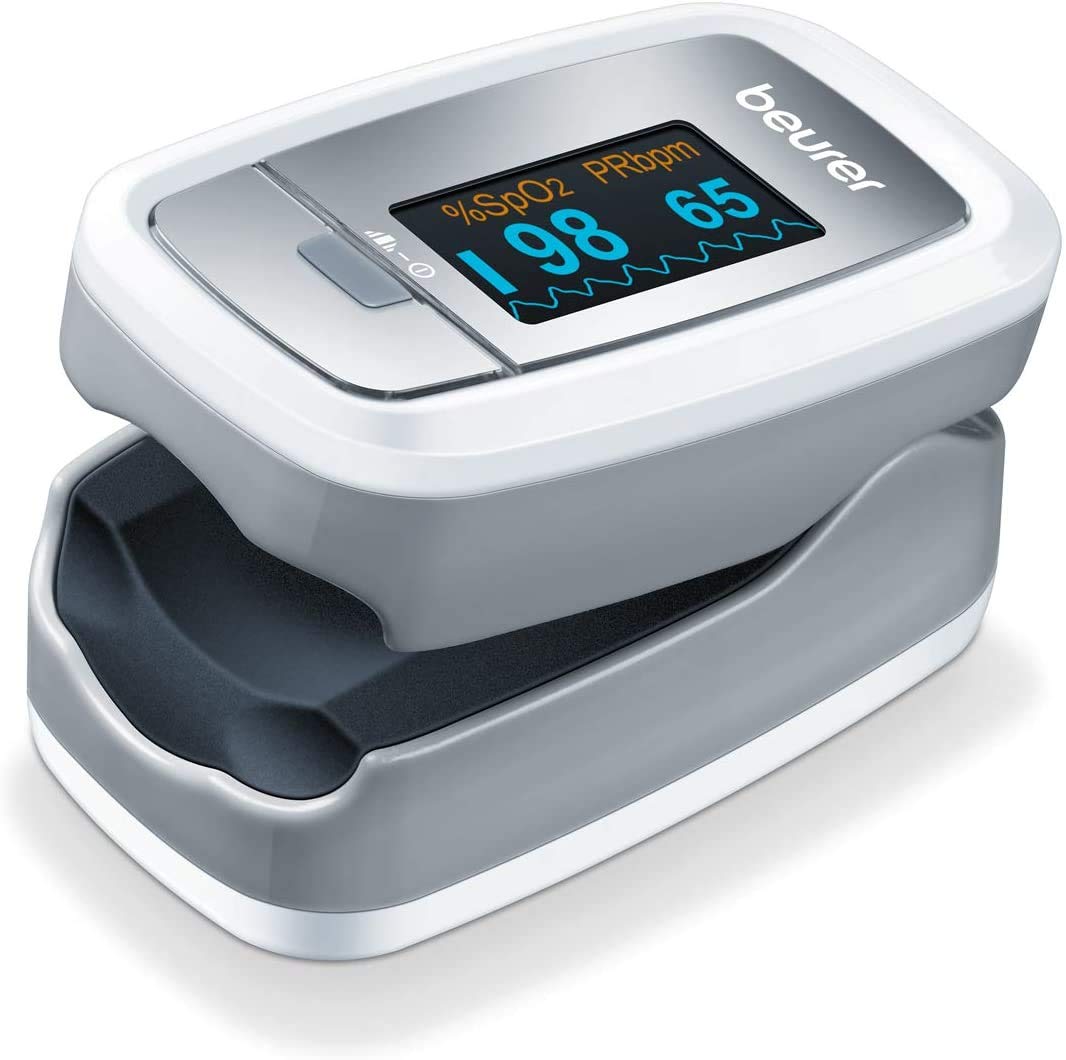
Whether you are using a German-engineered Beurer PO 30 or a hospital-grade monitor, following these clinically recommended steps ensures you get a reading you can actually trust.
What the Numbers Actually Mean
When you use a pulse oximeter, you will usually see two primary numbers on the color display:
-
SpO₂ (%)
Peripheral capillary oxygen saturation—this shows what percentage of your hemoglobin is carrying oxygen. -
PR (bpm)
Pulse Rate (heart rate) measured in beats per minute.
Both values should always be interpreted together and in the context of how you feel.
Step-by-Step: The “Perfect Reading” Protocol
To avoid inaccurate data—which can vary by 2–3% due to poor technique—follow this checklist carefully.
1. Preparation Is Key
-
Remove barriers:
Nail polish (especially dark shades), henna (mehndi), and artificial nails can block the light sensor, leading to falsely low readings. -
Warm your hands:
Cold fingers reduce surface blood flow. Rub your hands together or wash them with warm water for one minute before testing. -
Rest first:
Sit quietly for 5 minutes before measuring. Physical exertion can temporarily alter heart rate and oxygen levels.
2. Proper Placement
-
Choose the right finger:
The index or middle finger of either hand usually provides the strongest signal. -
Stay still:
Movement is the enemy of oximetry. Rest your hand on a flat surface or against your chest at heart level. -
Wait for the wave:
High-quality devices display a plethysmograph (pulse wave).
Do not record the number immediately—wait 30–60 seconds until the wave becomes steady and rhythmic.
When Should You Be Concerned?
While “normal” varies by individual—especially for people with COPD or asthma—general clinical guidance suggests:
- 95% – 100% → Normal for most healthy adults
- 91% – 94% → Requires close monitoring and a call to your doctor
- 90% or below → Often considered a medical emergency (hypoxemia)
High-altitude note:
If you live in mountainous regions (e.g., the Himalayas), baseline SpO₂ may be naturally lower. Devices validated for high-altitude use are preferred for trekkers and hill-station residents.
Common Troubleshooting Tips
-
Dashes on the screen?
Your finger may be too thin or not fully inserted. Push it all the way into the clip. -
Erratic heart rate readings?
Move away from bright, direct sunlight, which can interfere with infrared sensors. -
Low battery issues?
Inconsistent readings are often the first sign of a dying battery. Always keep spare AAA batteries in your health kit.
Where to Buy a Reliable Pulse Oximeter
View Beurer PO 30 Pulse Oximeter on Amazon
Final Verdict
A pulse oximeter is a powerful monitoring tool, but it is only one piece of the puzzle.
Always assess the patient first—if your device shows 98% but you feel breathless, dizzy, or unwell, seek medical care immediately.
Affiliate Disclosure:
As an Amazon Associate, we earn from qualifying purchases. This helps support our health education initiatives. Product images used in this article are sourced from Amazon product listings for illustrative purposes.
Medical Disclaimer:
Self-monitoring is not a substitute for professional medical diagnosis. Always consult your physician for interpretation of your vital signs.