The Modern Physiotherapy Ecosystem: Beyond Exercises
The Modern Physiotherapy Ecosystem: Beyond Exercises
Today's physiotherapy has evolved into a hybrid discipline blending skilled manual therapy with advanced electro-technology.
The modern goal is to address the biopsychosocial model, treating not only injured tissue but also movement patterns, neuromuscular control, and pain perception.
1. Advanced Manual Techniques & Movement Science
While machines assist recovery, hands-on techniques remain foundational.
Key Modern Techniques
-
Dry Needling
Targets myofascial trigger points rather than meridians. This reduces muscle tension, improves blood flow, and restores normal movement patterns. -
Active Release Technique (ART)
A patented, movement-based soft tissue therapy that breaks down scar tissue in muscles, tendons, ligaments, and nerves. -
Blood Flow Restriction (BFR) Training
Uses calibrated cuffs to partially restrict blood flow during exercise, enabling strength gains with very light loads ideal for post-operative and geriatric rehab.
2. The Role of Modern Electrotherapy Machines
Electrotherapy devices act as healing accelerators.
While exercises restore function, these machines control pain, inflammation, and neuromuscular activation, making movement possible.
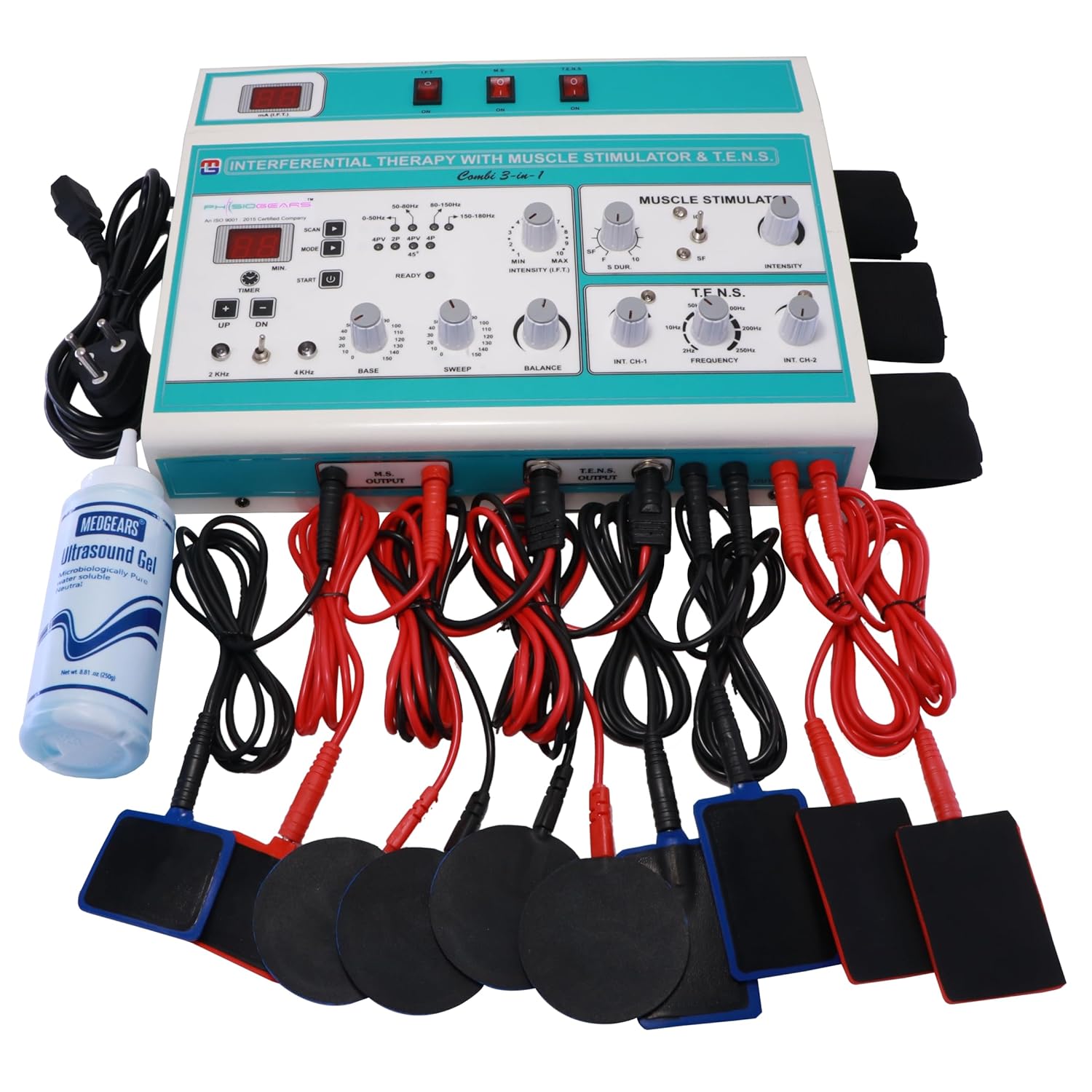
Interferential Therapy (IFT): The Deep Tissue Specialist
-
Technique
Uses two medium-frequency currents that intersect deep within tissue, overcoming skin resistance. -
Modern Use
Widely used for deep joint pain, lower back conditions, edema reduction, and ligament healing.
TENS: The Pain Gate Controller
-
Technique
Based on the Gate Control Theory, stimulating sensory nerves to block pain signals from reaching the brain. -
Modern Use
Provides a temporary pain-free window, allowing patients to perform therapeutic exercises without sharp discomfort.
Muscle Stimulation (MS): The Neuromuscular Bridge
-
Technique
Sends electrical impulses directly to the muscle's motor point, inducing contraction even when neural control is weak. -
Modern Use
Essential for preventing muscle atrophy, re-educating muscles after nerve injury, stroke, or prolonged immobilization.
3. The Digital Leap: AI and Wearable Integration
By 2026, physiotherapy has embraced software hardware convergence.
Key Digital Advancements
-
Biofeedback Sensors
Integrated sensors display real-time muscle activation, helping patients understand and improve movement quality. -
Remote Monitoring
Wearables track gait patterns, posture, and range of motion, transmitting data directly to a physiotherapist's SaaS dashboard for continuous assessment.
Summary: Why Technology and Technique Must Meet
A machine alone cannot heal, and exercises alone can sometimes be too painful to initiate.
True rehabilitation happens when technology prepares the body and movement restores function.
Devices like MEDGEARS IFT MS TENS Combo Machine embody this synergy equipping clinicians with comprehensive electrical modalities so patients are ready for the real work: movement, strength, and recovery.
Where to Buy a Clinic-Grade Electrotherapy Combo
View MEDGEARS IFT MS TENS Combo on Amazon
Affiliate Disclosure:
As an Amazon Associate, we earn from qualifying purchases. Product images used in this article are sourced from Amazon product listings for illustrative purposes.
Medical Disclaimer:
Electrotherapy modalities such as IFT, TENS, and Muscle Stimulation should be used only under the guidance of a certified physiotherapist. Proper electrode placement, dosage, and patient screening are essential for safe and effective treatment.