Beurer PO 30 vs. BPL Smart Oxy: Which Oximeter is Right for You?
Beurer PO 30 vs. BPL Smart Oxy: Which Oximeter is Right for You?
Choosing between German engineering and a leader in Indian medical electronics depends on which specific data points and usage scenarios you value most. Below is a clear, technical breakdown of how these two popular pulse oximeters compare in real-world clinical and home settings.
1. Beurer PO 30
The Gold Standard for Precision and Durability
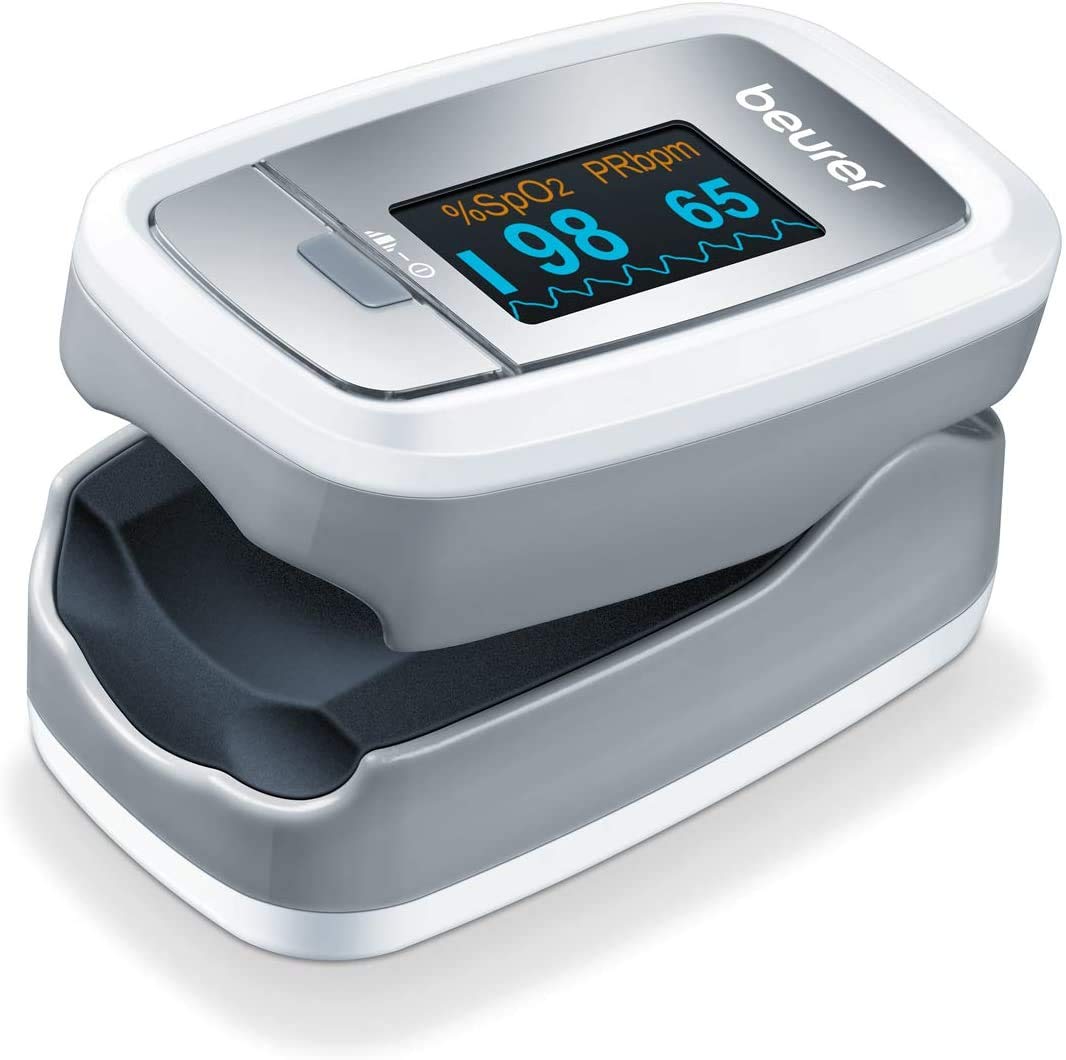
The Beurer PO 30 is widely recognized for its robust build quality and long-term reliability. It is particularly favored by trekkers, athletes, and patients with chronic respiratory conditions.
Key Strengths
-
German Engineering & Warranty
Comes with an industry-leading 3-year warranty, reflecting high confidence in sensor accuracy and durability. -
High-Altitude Validation
Specifically tested for use at high altitudes, maintaining accuracy in low atmospheric pressure—ideal for mountainous regions and travel. -
Display Quality
Features a clear XL color display with 4 adjustable viewing modes, allowing comfortable reading from any angle.
Best for:
Long-term users, frequent travelers, trekkers, and anyone looking for a reliable “buy-once” device.
2. BPL Smart Oxy
The Feature-Rich Clinical Monitor
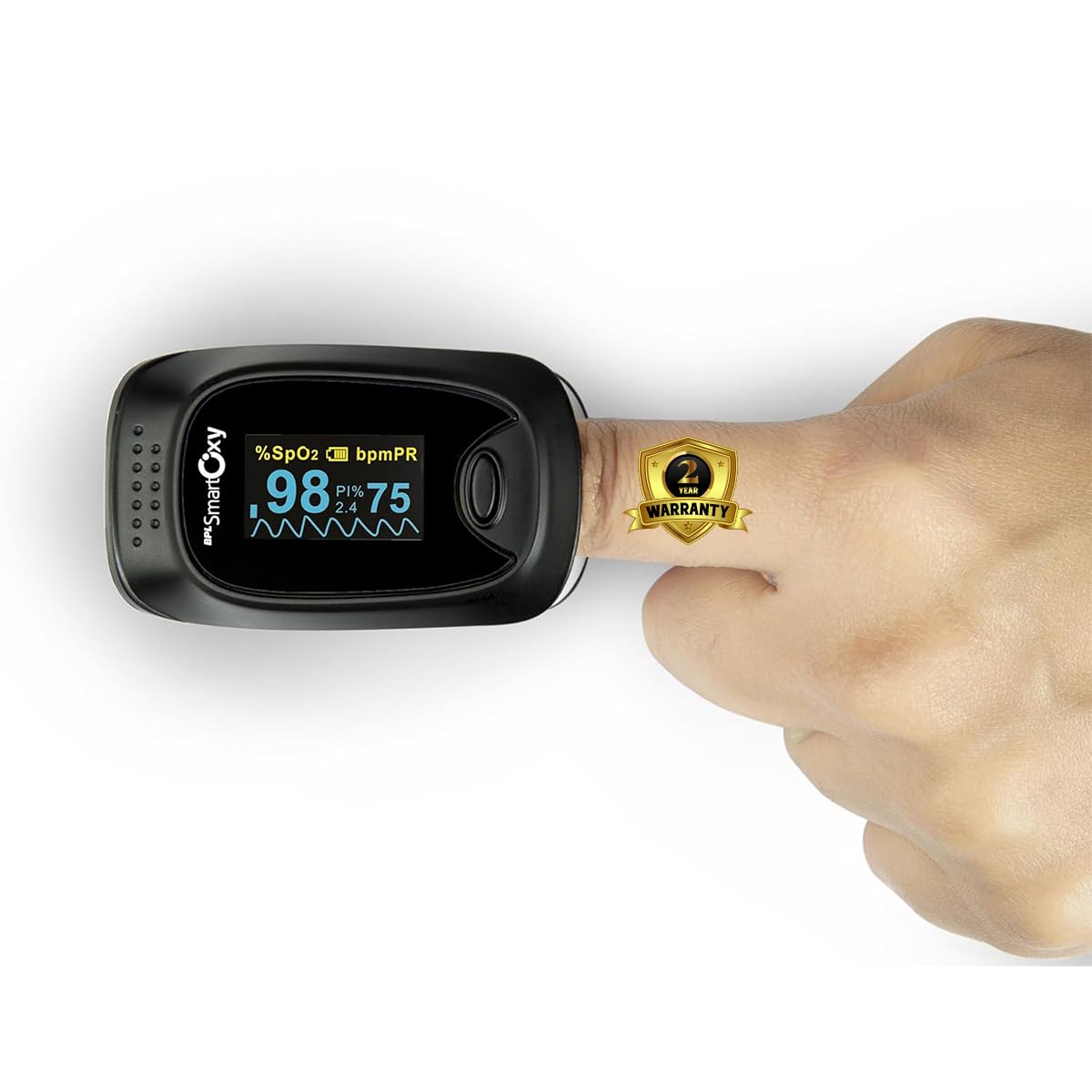
BPL Medical Technologies is a trusted name in Indian hospital equipment, and the BPL Smart Oxy brings professional-grade monitoring features into a compact, home-friendly device.
Key Strengths
-
Perfusion Index (PI) Display
The standout feature. PI reflects pulse strength at the sensor site, helping users identify cold fingers or poor circulation—preventing false low SpO₂ readings. -
OLED Multi-Directional Display
High-contrast OLED screen is exceptionally readable in the dark, making it ideal for night-time monitoring of elderly patients. -
Visual Alert System
Built-in visual alarms flash when readings fall outside normal ranges, adding an extra safety layer for home users.
Best for:
Elderly home-care, clinical monitoring, and users who want maximum real-time data (including PI) on one screen.
Technical Comparison Table
| Feature | Beurer PO 30 | BPL Smart Oxy |
|---|---|---|
| Warranty | 3 Years | 1 Year |
| Perfusion Index (PI) | No | Yes |
| Display Type | XL Color Display | OLED Display |
| Certification | CE Medical | CE Certified |
| Special Strength | High-altitude accuracy | Visual alarm system |
| Color / Style | Grey / Professional | Black / Sleek |
Understanding the Display: What to Look For
Regardless of the model, always observe the plethysmograph (waveform or bar graph):
-
Beurer PO 30:
The pulse curve confirms that the heartbeat is being tracked rhythmically and consistently. -
BPL Smart Oxy:
The Perfusion Index helps verify adequate blood flow in the finger, confirming that the SpO₂ reading is reliable.
Where to Buy These Oximeters
Final Verdict
-
Choose the Beurer PO 30 if:
You want a rugged, highly reliable device with a 3-year warranty, and you frequently travel or live at high altitudes. -
Choose the BPL Smart Oxy if:
You prefer a high-contrast OLED screen, want Perfusion Index data, and value visual alerts for home or elderly care.
Both devices deliver accurate oxygen saturation monitoring—the right choice depends on environment, user profile, and data needs.
How to Get an Accurate Reading Every Time
- Warm your hands: Cold fingers reduce circulation and affect readings
- Stay still: Movement introduces signal noise
- Check for polish or henna: Dark colors can block the sensor light
Affiliate Disclosure:
As an Amazon Associate, we earn from qualifying purchases. This supports our work in providing medical-technology comparisons. Product images used in this article are sourced from Amazon product listings for illustrative purposes.
Medical Disclaimer:
Pulse oximeters are monitoring tools only. If your SpO₂ drops below 92%, or if you feel breathless despite a normal reading, seek medical attention immediately.