ELKO EL-250 DEXA III Ti vs 3M Littmann Classic III — Which Stethoscope Should Clinicians Choose?
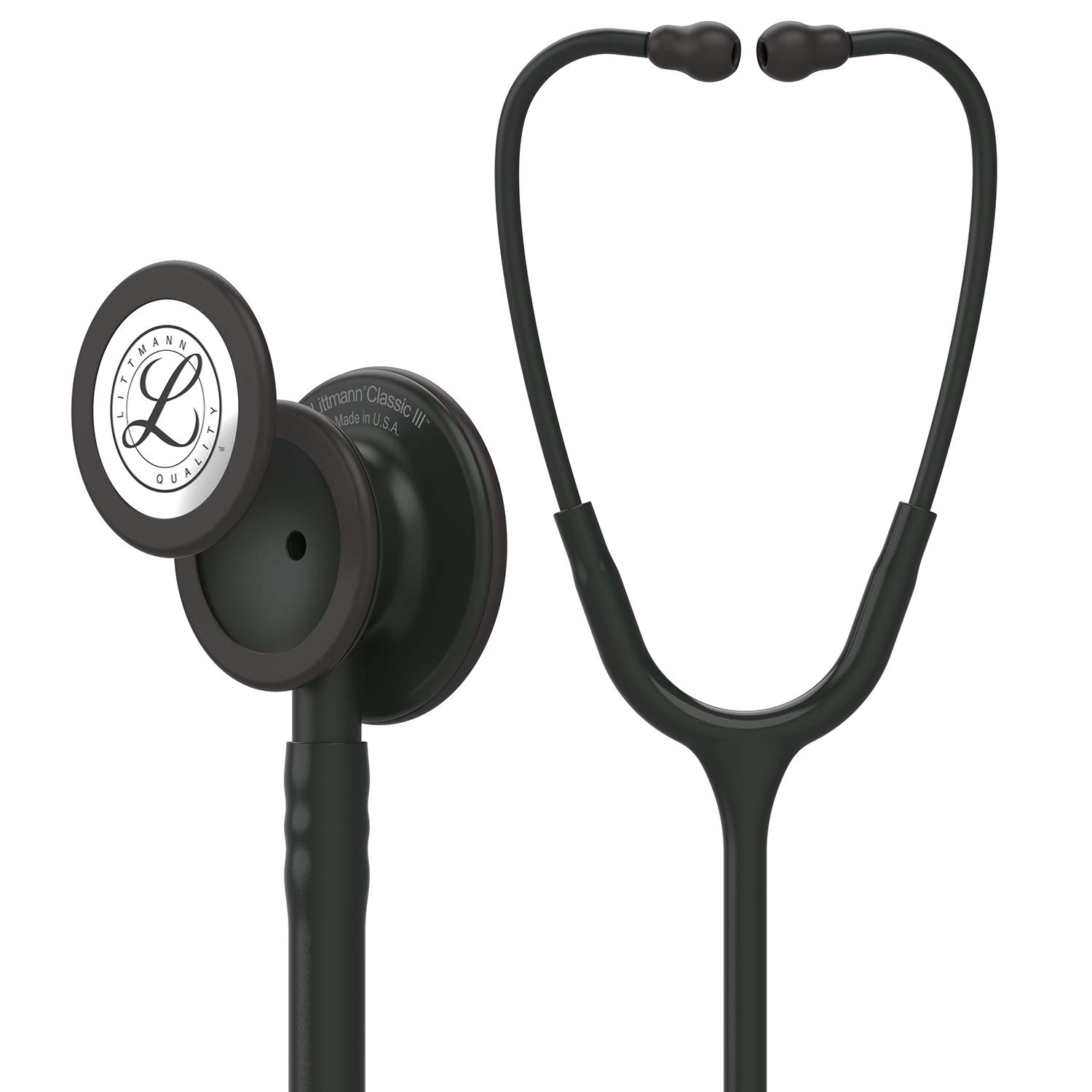
ELKO EL-250 DEXA III Ti (Titanium Dual-Head) vs 3M Littmann Classic III (Black Edition, 27")
A practical comparison for doctors, trainees, and procurement teams.
A stethoscope is an extension of the clinician’s senses. Choosing the right instrument depends on your clinical priorities: ultimate acoustic sensitivity, durability, weight, pediatric use, or value. Below is a focused, utility-first comparison of two popular choices: the ELKO EL-250 DEXA III Ti (natural titanium dual-head chestpiece, adult + pediatric) and the 3M Littmann Classic III (tunable dual diaphragm, widely used generalist stethoscope).
Quick summary (one-line verdicts)
- ELKO EL-250 DEXA III Ti Best if you prioritise lightweight feel, corrosion resistance, and a metallic tonal character from a titanium chestpiece — useful for clinicians who prefer a crisp, bright acoustic signature and want a premium-feel instrument.
- 3M Littmann Classic III: Best for balanced acoustic sensitivity, versatility across adult & pediatric patients, long warranty, and proven clinical reliability — the safer generalist pick for most OPD, ward, and teaching use.
Head-to-head features table
| Feature | ELKO EL-250 DEXA III Ti | 3M Littmann Classic III (27") |
|---|---|---|
| Chestpiece material | Natural Titanium (dual-head) | Stainless steel with tunable dual diaphragms |
| Acoustic approach | Rigid titanium acoustics — crisp, bright tonal quality | Tunable diaphragms — variable frequency sensitivity by pressure |
| Adult + pediatric use | Dual-head with pediatric bell / side | Dual-sided tunable chestpiece (adult + pediatric modes) |
| Tubing | Two-way PVC tubing (likely thicker) | Next-generation tubing resistant to oils & alcohol |
| Weight / balance | Typically lighter (titanium) | Balanced; slightly heavier than titanium models |
| Durability / corrosion | Excellent (titanium resists corrosion) | Very good; proven long-term durability |
| Warranty / service | Varies by seller — check local warranty | 5-year warranty (3M Littmann official) |
| Typical clinical fit | Clinicians who prefer metallic timbre & light weight | Generalists, students, clinicians needing a proven all-rounder |
| Price positioning | Often premium (titanium cost) or mid-premium | Mid- to premium (widely available, many SKUs) |
Note: Exact specs (weight, warranty terms, included eartips) vary by SKU and reseller — confirm before purchase.
Acoustic performance — what clinicians should listen for
-
Titanium chestpiece (ELKO EL-250 DEXA III Ti):
Titanium transmits sound with a slightly brighter, more metallic timbre. This can help in detecting higher-frequency components (some murmurs, certain lung crackles) with perceived clarity — but it may feel less “warm” than steel. The rigid titanium head often gives a very immediate sound with low damping. -
Littmann Classic III tunable diaphragms:
Tunable technology allows you to hear different frequency ranges by varying chestpiece pressure. This provides flexibility: low-pressure for low-frequency heart sounds, higher pressure for higher-frequency lung/heart sounds. Many clinicians find this adaptability clinically valuable across patients and contexts.
Clinical takeaway: If you prefer a single acoustic signature with crisp highs (ELKO titanium), you may like the ELKO. If you want versatile frequency control during the exam (Littmann), Classic III is more adaptable.
Build, ergonomics & daily use
-
Weight & fatigue: Titanium models tend to be lighter — helpful during long shifts and ward rounds. Lighter weight reduces neck strain for clinicians who wear the stethoscope all day.
-
Tubing & seal: Littmann tubing is engineered to resist oils and alcohol and maintain flexibility. ELKO two-way PVC tubing may vary in quality; check for soft-sealing eartips and how snugly they fit. A poor seal reduces acoustic fidelity.
-
Pediatric use: Both options provide pediatric assessment capability. Littmann’s dual tunable sides make switching between adult and pediatric exams faster without flipping heads; ELKO’s dedicated dual-head pediatric side is traditional and effective.
Durability, maintenance & infection control
-
Titanium advantage: Titanium is highly resistant to corrosion and surface wear. If your environment uses alcohol sterilisation frequently, titanium chestpieces maintain finish and integrity longer.
-
Tubing care: Avoid prolonged exposure of any tubing to direct sunlight, skin oils, and cleaning agents not recommended by the manufacturer. Littmann tubing is explicitly formulated to resist common clinical stresses.
-
Service & parts: Littmann has extensive global dealer and service networks — replacement eartips, diaphragms, and repair support are widely available. For ELKO, local reseller support varies — confirm spare-parts availability (diaphragms, tubing, eartips).
Who should choose which — clinical scenarios
-
Choose ELKO EL-250 DEXA III Ti if you:
- Prefer a lightweight instrument for continuous wear
- Value titanium corrosion resistance (humid or alcohol-heavy environments)
- Want a distinctive, bright acoustic timbre for certain auscultatory tasks
- Are comfortable with possibly less global service coverage (confirm local support)
-
Choose 3M Littmann Classic III if you:
- Want proven, versatile performance across heart, lung, and general exams
- Need reliable global warranty and parts availability
- Are training students or purchase for multiple clinicians (uniform standard)
- Prefer tunable diaphragm flexibility (one techique fits many exams)
Practical procurement checklist (what to confirm before buying)
- Chestpiece material & finish: Confirm actual material (titanium vs steel) and finish (anodised black, plated, etc.).
- Tube length: 27" is standard for Littmann Classic III; ensure tube length fits your workflow.
- Included accessories: Spare eartips (small/large), spare diaphragm, carrying pouch.
- Warranty & service: Ask reseller for warranty length and local service centre details. Littmann typically advertises 5 years.
- Weight & balance: If possible, handle both models to check comfort.
- Acoustic demo: Test on a supervisor/patient—listen for S1, S2, murmurs, lung crackles on both.
- Replacement parts availability: Diaphragms, eartips, tubing — check stock and price.
- Price vs budget: Titanium models can be priced higher — balance marginal acoustic gains against cost.
- Intended user: Student, GP, cardiology trainee, nurse — match instrument to user needs.
Short FAQs
Q — Does titanium make a stethoscope “better”?
A — Not necessarily better in every context. Titanium offers weight reduction and corrosion resistance plus a distinct acoustic signature. "Better" depends on clinician preference and clinical need.
Q — Is Littmann Classic III suitable for cardiology?
A — It’s an excellent generalist/monitoring stethoscope. Cardiology specialists sometimes prefer higher-end cardiology models (e.g., Littmann Cardiology IV) for very subtle low-frequency murmurs.
Q — Which is better for teaching?
A — Littmann Classic III is widely used in teaching due to predictable performance, tunable diaphragm pedagogy, and easy spare parts availability.
Final practical recommendation
- For most clinicians and training programs, the 3M Littmann Classic III is the pragmatic, low-risk choice: versatile acoustics, excellent support, long warranty, and widely accepted sound signature.
- For clinicians who prioritise minimal weight and a titanium acoustic character, and who have access to reliable local support for ELKO instruments, the ELKO EL-250 DEXA III Ti is a strong premium alternative.
Where to Buy Reliable PPE for Clinics
Affiliate Disclosure:
As an Amazon Associate, we earn from qualifying purchases. This supports our work in providing medical-technology comparisons. Product images used in this article are sourced from Amazon product listings for illustrative purposes.
Medical Disclaimer:
This article is for educational and procurement guidance only and does not replace clinical training. Auscultation findings must be interpreted in the context of full clinical assessment. Always follow institutional policies and manufacturer instructions for device care and use.